
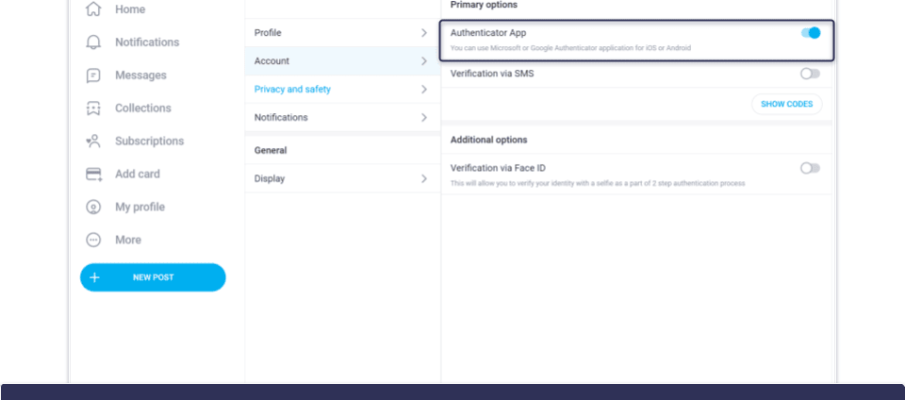
OnlyFans has no checkout page that warns you before a direct message turns into a purchase. Pay-per-view offers arrive inside chat, one message at a time, so the spending decision happens while you are reading, not while you are comparing prices. That is why a fixed per-message unlock ceiling, chosen before you open any conversation, works better than willpower applied in the moment.
A ceiling is simply the highest number you will pay to unlock a single message. It is not a monthly budget on its own, but it feeds one. Once the number is fixed, every unlock becomes a yes-or-no check rather than a judgment call made under social pressure.
Why chat is the highest-risk spending zone
On a subscription page, the price is visible before you commit and the platform handles the transaction in one step. In a direct message, the offer appears as part of a conversation. The unlock button sits next to a personal reply, and the two feel connected even though they are separate decisions.
Free pages work exactly this way. The subscription price is set to $0 and the creator earns through pay-per-view messages and tips instead. Because nothing is charged at the door, the entire cost of following that page is decided message by message, inside chat.
Pressure peaks at three predictable moments:
- Right after you subscribe, when a welcome message arrives with an immediate offer attached.
- Late in an active conversation, when the tone is warm and a paid unlock appears mid-thread.
- During a limited-time promotion, when the message states that the price or the offer expires soon.
None of these moments are dishonest on their own. They are simply moments when a decision is easier to make quickly than carefully, which is why the ceiling has to exist before the conversation starts.

Deciding your ceiling before you open a message
Pick one number and write it down. Not a range, not a rough idea, but a single figure you can compare against a price label in under a second. The number should be low enough that you would not regret it the following morning.
Three inputs decide what that number should be:
- Your monthly entertainment budget, divided by the number of pages you actually follow.
- How many of those pages send pay-per-view messages regularly rather than occasionally.
- The typical unlock price you see, so the ceiling reflects real listings rather than a guess.
Paid subscriptions across the platform run from $4.99 at the minimum to $49.99 at the maximum, with most paid pages sitting between $4.99 and $15 and averages landing around $5 to $10. There is no base subscription price below $4.99; only promotional first months may dip under that figure.
The same $4.99 to $15 band usually applies to individual unlocks, which makes a ceiling in that range realistic rather than restrictive. A ceiling far above the typical price will almost never bind, and a ceiling that never binds is not doing any work.
Reading the price label honestly
Every pay-per-view message shows its unlock price before you pay, so the number you need is already on screen. The complication is bundles. When several items are grouped into one unlock, the headline price covers the whole group, not one item.
Divide the bundle price by the number of items to get the effective price per item, then compare that figure against your ceiling rather than the headline number. A bundle can look expensive and still sit under your ceiling once divided, or look cheap and hide a per-item cost above it.
Common price points tend to line up with what is included:
| Price point | What it typically contains |
| $4.99 to $7 | A single item or a short clip; the most common range |
| $8 to $15 | A longer clip, a small set, or a bundle of several items |
| $16 to $30 | Larger bundles where the per-item price is usually lower |
| Above $30 | Rare; check the item count before comparing to your ceiling |
The label also tells you whether you are comparing like with like. A $12 unlock covering four items is a $3 decision per item. A $12 unlock covering one item is a $12 decision. Same number, different weight against your ceiling.
A three-step pause before any unlock
The routine takes about ten seconds and works the same way every time:
- Read the displayed price and, if it is a bundle, the item count.
- Compare that figure against your written ceiling.
- Check whether the unlock still fits inside what remains of this month’s total.
Step three is the one people skip. A price can sit under your ceiling and still push the monthly total past its limit if you have already unlocked several times this week.
Tip: write your ceiling somewhere you will see it while chatting, such as a note on the same device. A number you have to recall from memory is a number you will negotiate with.
Certain phrases signal that a message is designed to shorten the pause. Treat them as prompts to slow down rather than reasons to hurry. Examples include “only for the next hour,” “last chance at this price,” “just for you,” and “everyone else already unlocked it.” For a starting point, best way to advertise onlyfans reddit collects free pages.
None of these phrases tells you anything about the value of the item. They tell you about timing, and timing is not part of your ceiling.
Weekly tally versus monthly ceiling
A monthly ceiling alone is easy to misread, because the first half of the month feels cheap and the second half feels tight. Logging unlocks weekly turns one large number into four small ones you can actually track.
Write down the date, the page, and the amount each time you unlock something. The habit takes seconds, and it produces the data you need to adjust the ceiling later rather than guessing at it.
Weekly totals against remaining monthly room, using a $40 monthly ceiling as an example:
| Week | Spent | Remaining for the month |
| Week 1 | $9 | $31 |
| Week 2 | $14 | $17 |
| Week 3 | $11 | $6 |
| Week 4 | $4 | $2 |
Notice how week two and week three look similar in isolation but leave very different room. Keeping the running total visible prevents that late-month squeeze.
One more factor belongs in the tally. The platform takes a 20% fee on everything, including subscriptions, tips, and pay-per-view unlocks, and the creator keeps 80%. Your spending total is unaffected, but it explains why the price you see is the price that matters.
If you also want to understand how creators reach new subscribers in the first place, the best way to advertise onlyfans reddit is worth reading, since it explains why so much promotion happens off-platform.
What to do when you hit the ceiling
Hitting the ceiling is not a failure state, it is the ceiling doing its job. The response is procedural rather than emotional. Close the chat, and do not reopen it until the next month begins.
Muting notifications for the pages that send the most offers removes the main trigger. Messages still arrive, but they arrive when you choose to look rather than when the phone decides.
Alternatives to unlocking right now:
- Wait for a promotional period, which is the only situation where prices dip below the usual floor.
- Reply without unlocking; a normal conversation does not require a purchase.
- Keep the page followed and revisit next month when the ceiling resets.
- Unsubscribe from pages whose offers consistently sit above your ceiling.
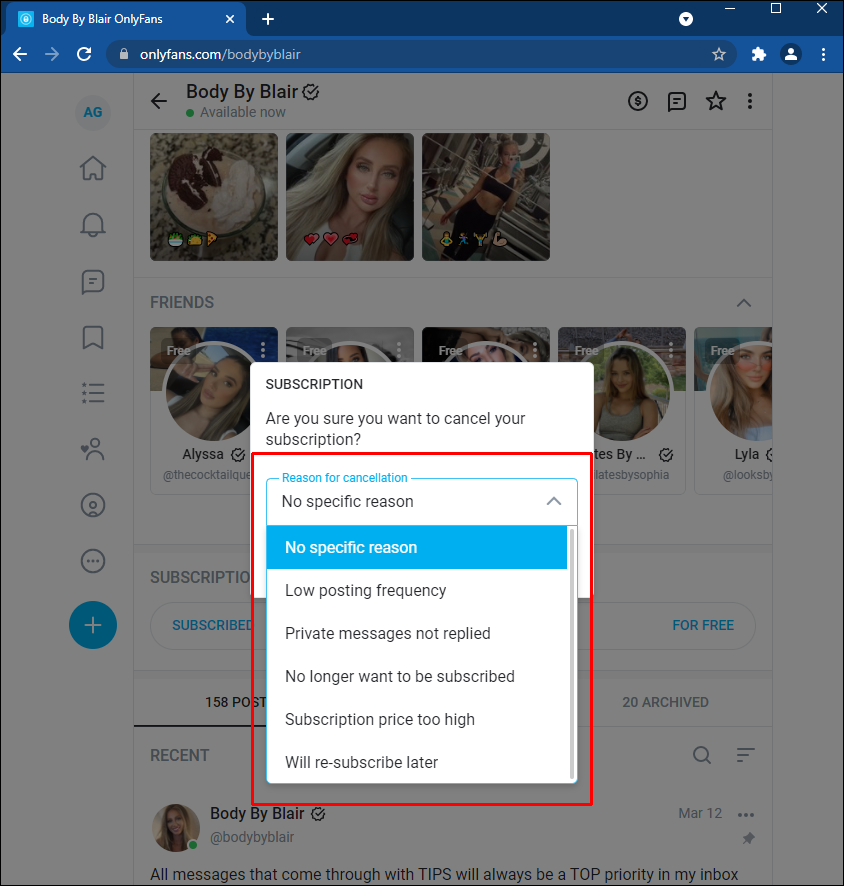
If you do unsubscribe, expect auto-renew to stop immediately, while access continues until the current paid period ends. Some people use that gap to decide whether the page is worth returning to.
Adjusting the ceiling over time
After two or three months of logged unlocks, you will know whether the ceiling binds often, occasionally, or never. That pattern, not a feeling, should drive the next number.
Lower it if you hit the limit in the first week of most months. Raise it slightly if you routinely finish the month well under budget and the limit is blocking unlocks you would not have regretted. Keep it steady if it binds once or twice a month.
Warning: a ceiling that never binds is set too high to protect anything. If you cannot remember the last time you declined an unlock because of your limit, the limit is decoration.
Mistakes to avoid when adjusting:
- Raising the ceiling mid-month because a single offer feels urgent.
- Setting one ceiling for every page when offer volumes differ widely.
- Tracking unlocks in your head instead of writing them down.
- Treating a promotional first month as the normal subscription price; the standard floor is $4.99.
Two other platform facts shape the whole approach. There is no built-in discovery feed or directory, which is why ranking sites such as BestOnlyFans exist and why subscribers often follow more pages than they planned. And because pay-per-view runs through direct messages, the ceiling is the only part of the process you fully control.
Reviewed against real spending data, the method holds up because it moves the decision earlier. BestOnlyFans lists and ranking pages help you find pages, but they cannot set your limit. That part stays with you, and it takes one written number to start. BestOnlyFans refreshes its rankings every month.
FAQ
Is a per-message ceiling the same as a monthly budget?
No. The ceiling caps a single unlock, while the monthly budget caps everything combined. You need both, because a series of unlocks under the ceiling can still exceed the monthly total.
What is a realistic per-unlock ceiling?
Most paid activity sits between $4.99 and $15, with averages around $5 to $10, so a ceiling in that band matches typical listings. Note that $4.99 is the standard minimum and only promotional first months dip below it.
Does the platform fee change what I pay?
No. The 20% platform fee comes out of the creator’s earnings, and the creator keeps 80%. The unlock price shown to you is the amount you are charged.
What happens if I unsubscribe after hitting my ceiling?
Auto-renew stops when the price changes or you cancel, but access continues until the current paid period ends. That gives you time before deciding whether to return.